




Earthquake Preparedness
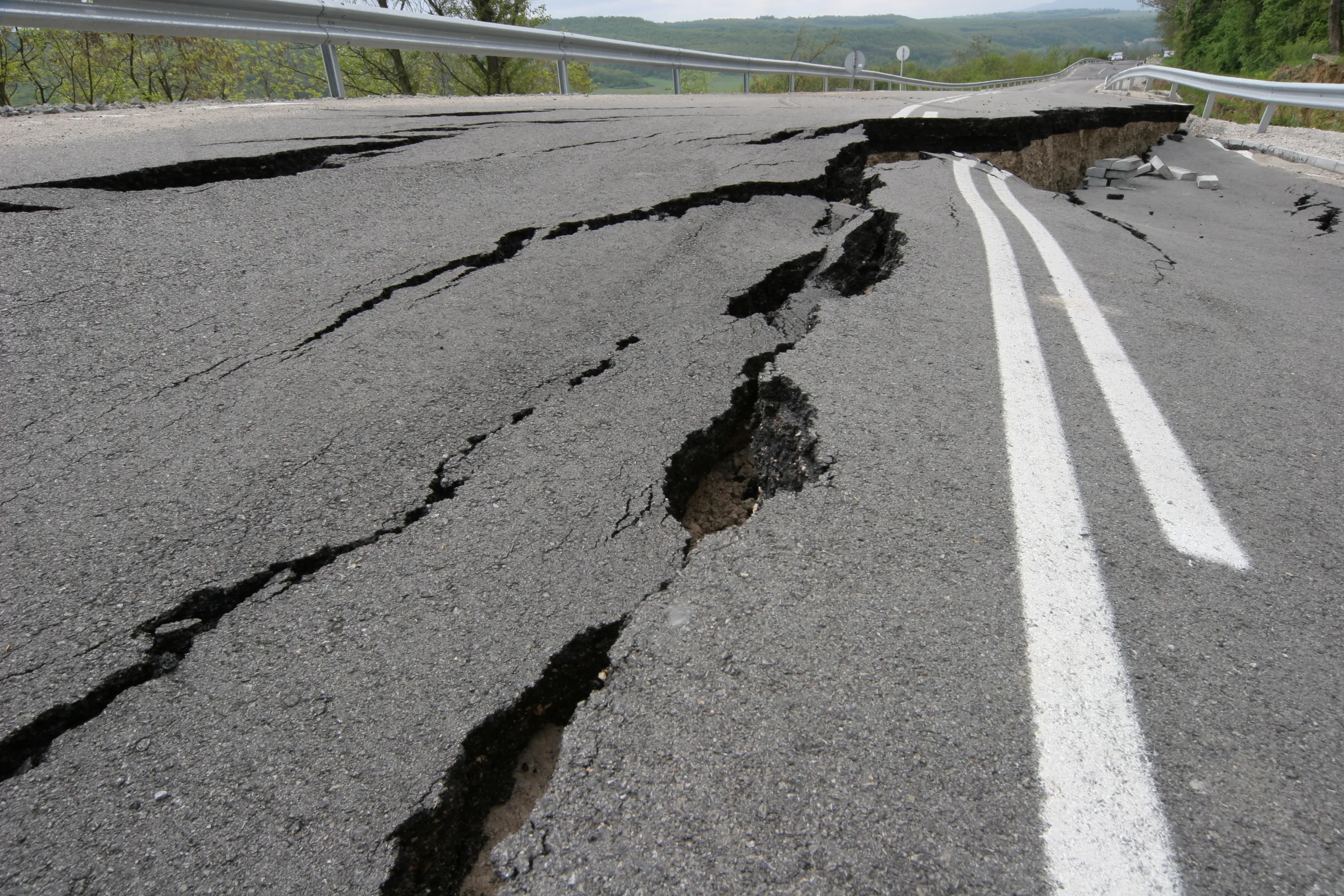
Preparing for the Unexpected
Know What to Do Before, During & After an Earthquake
Preparing in advance can help protect you and your loved ones during an earthquake. Explore resources on creating a family emergency plan, building an emergency supply kit, understanding earthquake risks in Illinois, and preparing for specific needs during a disaster.
Before, During, and After an Earthquake
There are many things you can do to help yourself in the event of an earthquake. Generally, an earthquake is divided into three stages: before, during, and after. Know what to do in each stage.
blank
Before
- Develop a family earthquake plan. Prepare yourself and your home by completing the activities on this checklist.
- Decide how and where your family will reunite if separated.
- Choose an out-of-area friend or relative who separated family members can call after the quake to report their whereabouts and condition.
- Know the safe spots in each room: under sturdy tables, desks, or against inside walls.
- Know the danger spots: windows, mirrors, hanging objects, fireplaces and tall, unsecured furniture.
- Conduct practice drills. Physically place yourself in safe locations.
- Learn first aid and CPR (cardiopulmonary resuscitation) from your local American Red Cross chapter or other community organization.
- Keep a list of emergency phone numbers.
- Learn how to shut off gas, water and electricity in case the lines are damaged. (Safety note: Do not attempt to relight a gas pilot).
- Secure water heaters and appliances that could move enough to rupture lines.
- Secure heavy furniture, hanging plants, heavy pictures or mirrors.
- Keep flammable or hazardous liquids in cabinets or on lower shelves.
- Maintain emergency food, water and other supplies, including a flashlight, a portable battery-operated radio, extra batteries, medicines, first aid kit and clothing.
During
- If indoors, stay there and take cover under a table, desk, or other sturdy furniture.
- Face away from windows and glass doors.
- A doorway without a door is an acceptable location in which to stand.
- Lie, kneel or sit near a structurally sound interior wall or corner away from windows, brick fireplaces, glass walls, etc.
- Protect your head and body from falling or flying objects.
- Remain where you are until shaking stops. Think out your plan of action first, then move.
- Know exit routes if in a commercial building. Take cover and don’t move until the shaking stops.
- If outside, get into an open area away from trees, buildings, walls and power lines.
- Lie down or crouch low to maintain balance.
- Get to the best available shelter if there is no open area available.
- If driving, stop safely as soon as possible. Stay inside your vehicle until the shaking stops.
- Do not stop your vehicle under overpasses or bridges.
- Stay below window level in your vehicle.
- Turn off the engine and turn on the radio. Follow emergency instructions.
- Stay in the vehicle if downed power lines have fallen across it. Do not touch metal. Wait for help. You might be able to back away from lines.
- If you have to leave your vehicle, move to an open area quickly.
After
- Check for injuries. Render first aid. Do not move seriously injured victims unless they are in immediate danger. Do not use the telephone immediately unless there is a serious injury, fire or other emergency. Hunt for hazards.
- Check for other hazards and control them (fire, chemical spills, toxic fumes and possible collapse).
- Check utilities (water, gas, electric). If there is damage, turn the utility off at the source.
- Check for other hazards and control them (fire, chemical spills, toxic fumes and possible collapse).
- Check building for cracks and damage, including roof, chimneys, and foundation.
- Check food and water supplies.
- Emergency water can be obtained from water heaters, melted ice cubes, canned vegetables, and toilet tanks.
- Never use matches, lighters or candles inside.
- Turn on the radio and listen for emergency broadcasts/announcements, news reports, and instructions. Cooperate with public safety officials.
- Do not use your vehicle unless there is an emergency. Keep the streets clear for emergency vehicles.
- If buildings are suspect, set up your shelter area away from damage.
- Work with your neighbors for a quicker recovery. Stay calm and lend a hand to others.
- Be prepared for aftershocks.
- Plan for evacuation in case events make this necessary. Leave written messages for other family members or searchers.
- Use gloves, wear heavy shoes, and have adequate and appropriate clothing available.
Emergency Supply Checklist
Stocking up now with emergency supplies can add to your safety and comfort during and after an earthquake. Store enough supplies to last at least 72 hours.
blank
Survival
- Blankets or sleeping bags
- Can opener (non-electric)
- Essential medications and glasses
- Fire extinguisher, A-B-C type
- First aid kit (freshly stocked)
- Food (canned or packaged that will not spoil, including items for special diets and comfort food such as candy, nuts, or raisins)
- Food and water for pets
- Money (small bills)
- Portable radio, flashlight and extra batteries
- Water (1 gallon per person per day)
Sanitation Supplies
- Bar soap and liquid detergent
- Deodorant
- Feminine hygiene supplies
- Household bleach
- Infant supplies
- Large plastic trash bags for trash and waste
- Large trash cans
- Newspaper to wrap garbage and waste
- Shampoo
- Toilet paper
- Toothpaste and toothbrushes
Safety & Comfort
- Change of clothing
- Heavy gloves for clearing debris
- Sturdy shoes
- Tent
Cooking
- Barbecue, camp stove, or chafing dish (include matches)
- Fuel for cooking (charcoal, camp stove fuel, etc.)
- Heavy-duty aluminum foil
- Paper plates and cups
- Paper towels
- Plastic knives, forks and spoons
Tools & Supplies
- Axe and shovel
- Crescent wrench for turning off gas
- Garden hose for siphoning and fire fighting
- Knife
- Pencil and paper
- Plastic tape and sheeting
- Rope, one-half inch
- Toys, games, and books for children
Family Earthquake Plan
blank
Know Your Environment
Safest Place in the House
During an earthquake, stay away from heavy furniture, appliances, large panes of glass, shelves holding heavy objects and masonry veneer (such as a fireplace). These items tend to fall or break and can injure you. Usually, a hallway is one of the safest places if it is not crowded with objects. Kitchens and garages tend to be the most dangerous. Also, know the safest place in each room. It will be difficult to move from one place to another during a severe earthquake.
Exits & Alternate Exits
Know the possible ways to exit your house and workplace in emergency situations.
Location of Shutoff Valves
Know the location of the shutoff valves for water, gas, and electricity, and how to operate the valves. If you are not sure, contact your utility company.
Make Special Provisions
Elderly, Disabled, or Persons on Medication
These people may have difficulty moving around after an earthquake. Plan to have someone help them evacuate if necessary. They may need special foods or medications. Be sure to store several days’ worth of these items.
Persons Who Do Not Speak English
People who cannot speak English often rely on their family or friends for information. If they are separated during an earthquake, they may need help. Prepare emergency cards in English that include name, address and any special needs.
Pets
After an earthquake, you should be concerned with your personal safety before taking care of your pets. Storing extra food and water for pets is always a good idea. Keep pets in a secure place at home after an earthquake. If you evacuate, they will not be allowed in an emergency shelter.
Know Community Resources
Police & Fire
Know the locations and phone numbers of the nearest fire and police station. Contact them only for emergency response.
Shelter & Medical Care
After a damaging earthquake, emergency shelters, and temporary medical centers will be set up in your community. Contact your local office of Emergency Services to find out the plans for your area.
Community Assistance
It may be several days before outside assistance arrives. Know your neighbors and their skills. You may be able to help each other after an earthquake. Be prepared to assist outside your neighborhood.
Plan to Meet
Family Plan
Decide where and how your family will reunite. Choose a location outside your neighborhood where family members can reunite if unable to return home. Choose a person outside the immediate area to contact if family members are separated. Long distance phone service will probably be restored sooner than local service. Do not use the phone immediately after an earthquake to reunite your family.
Plan for Children
Know the policies of the school or daycare center your children attend. Make plans to have someone pick them up if, after an earthquake, you are unable to do so.
Plan Responsibilities
Develop a plan with your family, friends, and neighbors assigning specific responsibilities to each person. Including children when assigning responsibilities will help calm their fears and make them feel useful. Remember that it may be difficult to get around after an earthquake, so each person’s task should be related to where he or she may be.
Planning Guide for Seniors
blank
Plan
- Major earthquakes can kill and injure thousands of people. Even moderate earthquakes can cause death, injury, and property damage. They also can seriously disrupt all of those things we have come to take for granted and to depend on for our well-being. Developing individual, family, and neighborhood earthquake plans can help you improve your chances of surviving an earthquake without injury or serious damage.
- Plan for family, friends, and neighbors to check on each other after an earthquake. Telephones may not be working, so this should be arranged between people who live near to one another.
- Maintain a list of your medications, allergies, and special equipment. Include the name, address, and telephone number of your doctor, pharmacist, a family member, clergyman, or special friend. Take this list with you if you must leave your home after an earthquake.
Prepare
- Falling objects pose one of the greatest hazards in an earthquake. Older people may not be as agile or as mobile as they once were, making it difficult or impossible to quickly get under a piece of heavy furniture such as a table or desk for protection. Therefore, it is very important to eliminate hazards in the home that could fall and cause injury. If you cannot do these things yourself, ask a friend or family member for assistance.
- Securely anchor any medical equipment, heavy appliances, bookcases, china cabinets, hanging plants, and other items. Place heavy objects on low shelves. Move beds away from windows. Make sure doorways, halls, and exits are clear so that you may exit safely. Add latches to cabinets and drawers to keep them from opening in an earthquake.
Protect
- Keep a 72-hour supply of emergency food and water. Have a well-stocked first aid kit, flashlight and batteries, portable radio, and essential medications.
- Know where to go for protection when shaking starts. Find a safe spot in each room: under a heavy piece of furniture like a desk or sturdy table, against inside walls, or under supported archways.
- If you cannot reach a safe spot, sit down or stay sitting where you are until the shaking stops. Cover your head with your arms.
- If outside, move to a safe spot away from buildings, overhead wires, and windows.
Special Needs
Many seniors have special needs. Taking the following actions will increase your chances of riding out an earthquake safely:
- If you use life support equipment, such as oxygen, have someone fasten the large tank securely to prevent it from falling over in an earthquake. If you use a wheelchair, walker, crutches, canes, or other types of mechanical walking aids, keep them near you at all times. If possible, have extra walking aids available in different locations throughout your home.
- Place a security light in each room. These lights plug into any electrical wall outlet and light up automatically if there is a loss of electricity. They will continue operating automatically for four to six hours, and you can turn them off by hand in an emergency.
- Have a whistle to signal for help in an emergency.
- If you use battery-operated equipment, store extra batteries and replace them annually.
- If your life support equipment requires electricity, buy an emergency generator.
- Have a smoke detector and fire alarm system installed. If you have difficulty hearing, install a system that has flashing strobe lights to get your attention. If you have a battery-operated detector, replace batteries annually.
- If you use a hearing aid, keep an extra supply of batteries with your emergency supplies. Remember to replace them annually.
- If you wear glasses, keep an extra pair with your emergency supplies.
Contact The Emergency Services Disaster Agency
Staff Directory
John Harty | ESDA Assistant Coordinator
618.489.2020